Uppsala Women’s Shelter
A discreet Instagram campaign raising awareness of emotional abuse in intimate relationships, designed to reach victims safely, without raising suspicion from an abuser.
- Role
- Project Lead
- Year
- 2025
- Team
- 6 designers
- Context
- Uppsala University · Socially good design
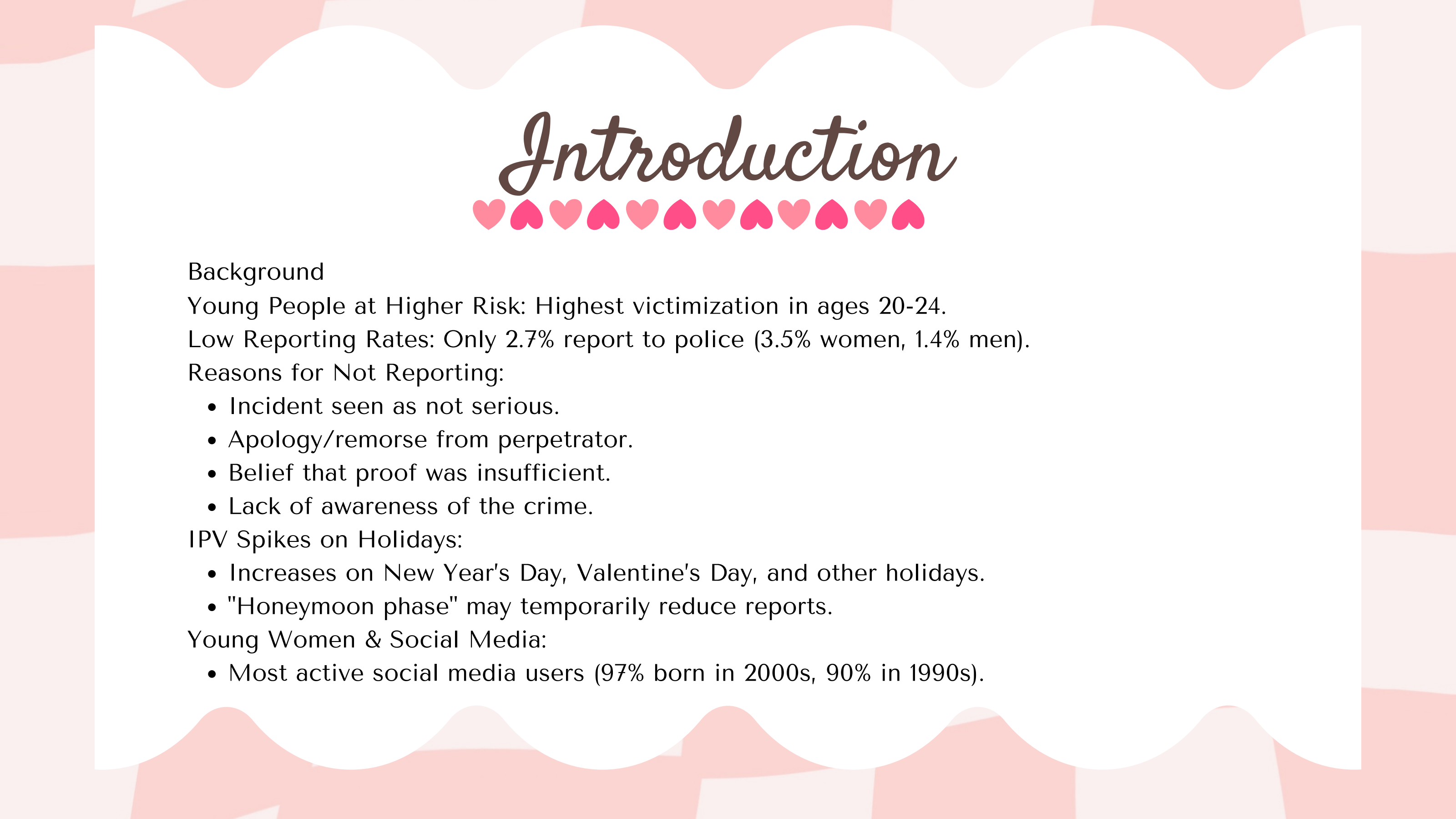
Emotional abuse is often the first step before physical violence, yet it is normalised, under-recognised and rarely reported.
Victimisation peaks between ages 20–24, and only 2.7% of incidents are reported to police.
Victims often see incidents as not serious, accept apologies, doubt their proof or don't realise it is abuse.
Any message must reach the victim without alerting the abuser, and abuse spikes around holidays like Valentine's Day.
Rooted in design activism, our aim was to help victims recognise warning signs before abuse becomes physically dangerous, give them a way to get help, and position Uppsala Women's Shelter as the resource, using the channel young women already use most: Instagram.
- 01Research
As project lead I drove the audience-focused research: Swedish crime statistics (Brå), the Nordic paradox in intimate partner violence, holiday spikes in abuse and social media usage among young women (97% of those born in the 2000s).
- 02Audience & targeting
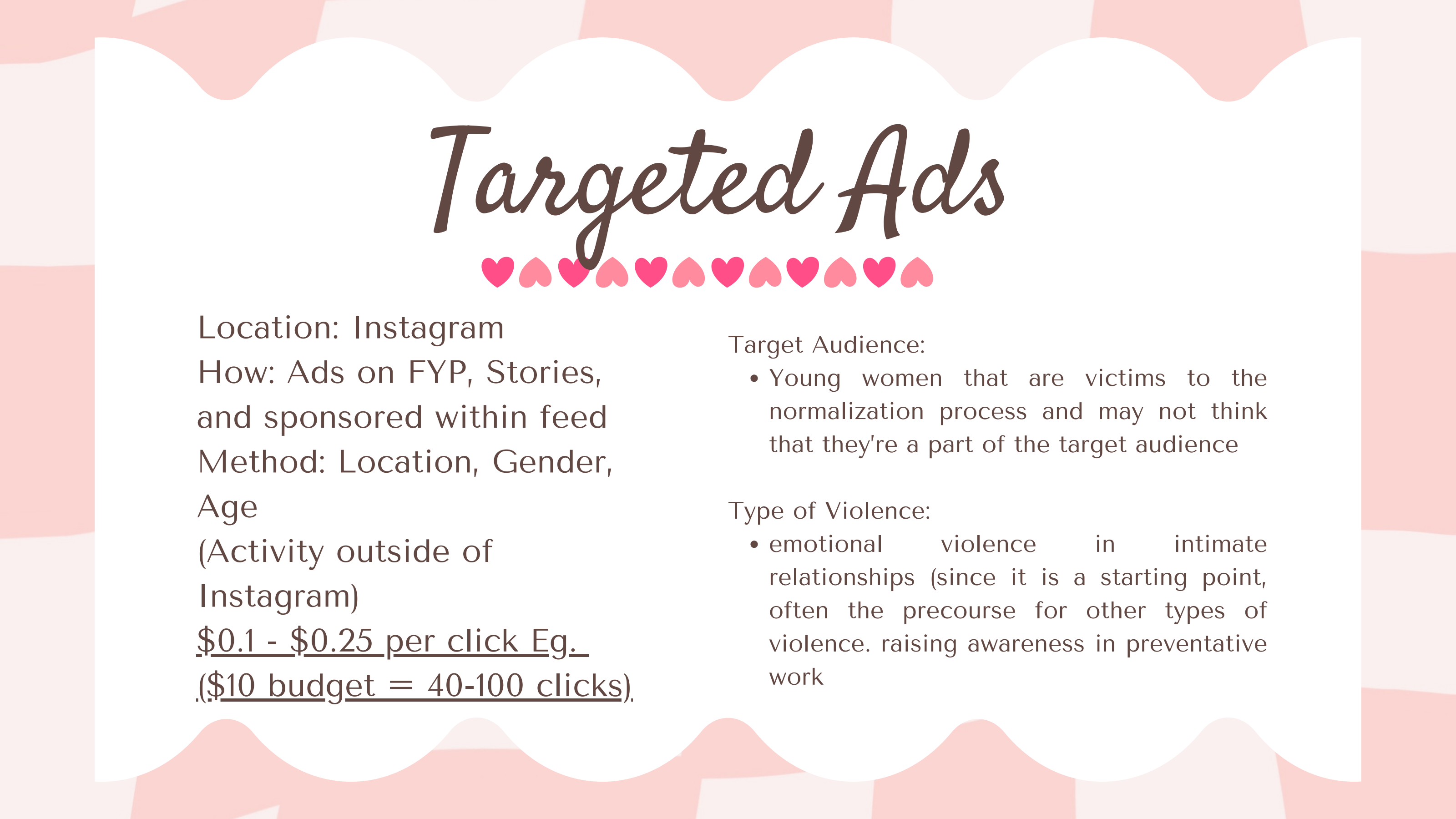
We targeted young women who may not see themselves as victims, via Instagram ads on Explore, Stories and in-feed, filtered by location, gender and age, at roughly $0.10–$0.25 per click.
- 03Concept & design
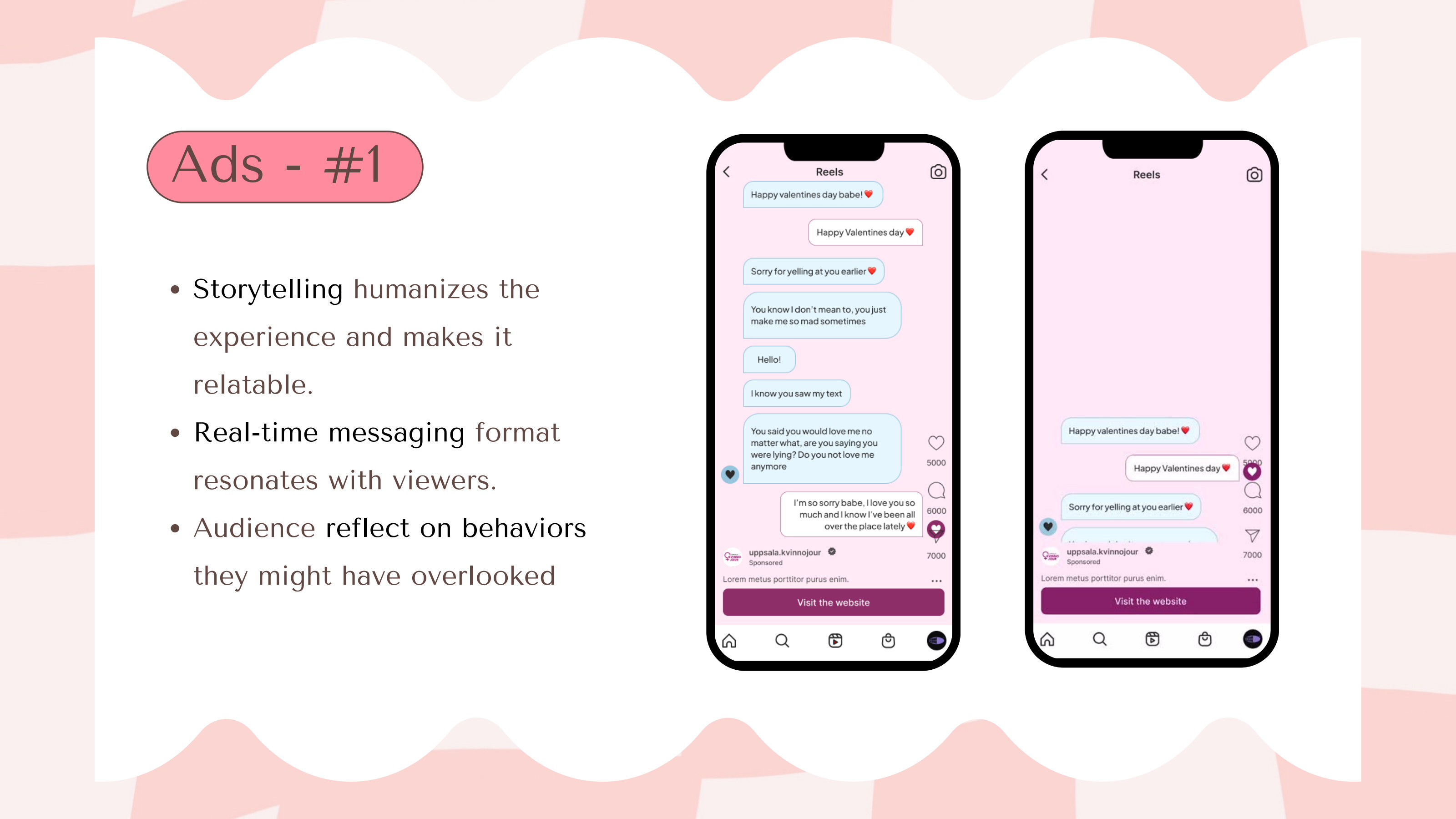
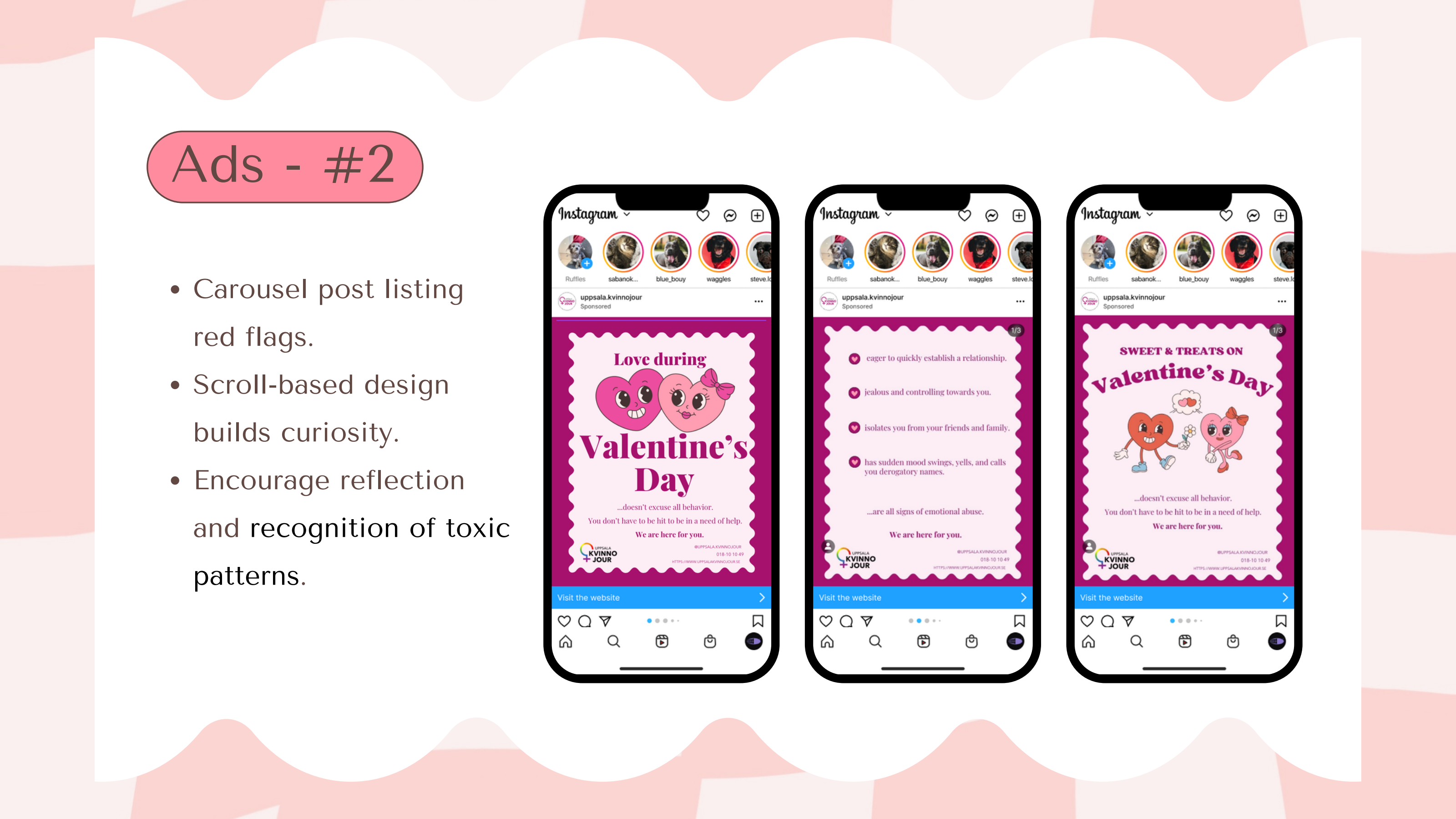
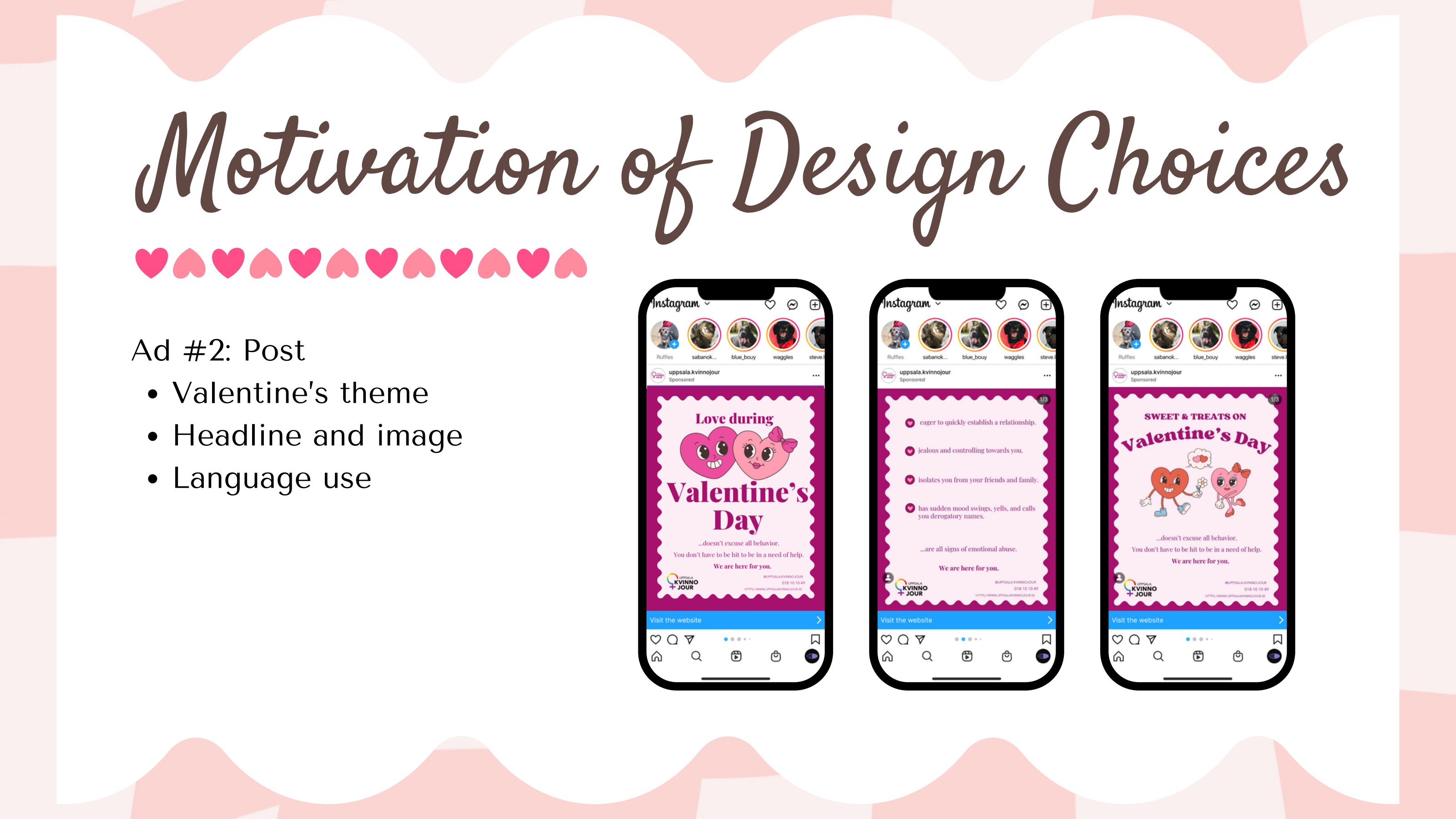
Two ads on a Valentine's theme: a reel that tells a story through a real-time text conversation, and a carousel that builds curiosity scroll by scroll before listing red flags. The design is deliberately subtle, with no explicit headline message.
- 04Refinement
We made sure the text conversation didn't look like a real chat on the victim's phone, borrowed the shelter's colour scheme and logo, and tuned language so content is understandable at a glance without raising suspicion.
A safe, preventative way to put information in front of the people who need it.
- Raises awareness of emotional abuse as a precursor to physical violence.
- Uses a channel readily available to young women, reaching as many people as possible.
- Future installments: more languages, more platforms and themes beyond Valentine's Day.
“This project taught me that sometimes the best design is the one nobody notices, except the person it was made for.”